

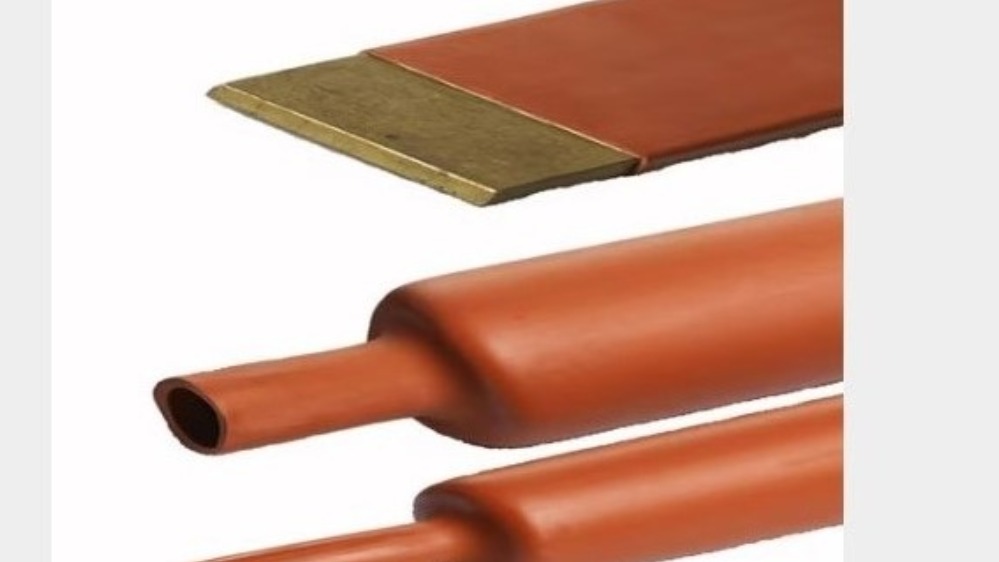
Modern electrical assemblies increasingly require compact connection arrangements that maintain electrical continuity while providing appropriate insulation around conductive components.
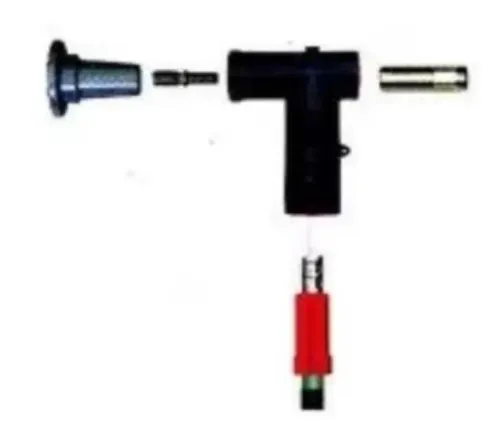
Insulated Bus Bar Connectors are used in compatible applications where bus bar connections require an insulated interface. Their suitability depends on the electrical and physical characteristics of the equipment assembly.
Bus bar dimensions, connection geometry, electrical rating and available installation space should be confirmed before selection. Mechanical alignment also matters because the connector needs to fit the intended arrangement without creating unnecessary physical stress.
The insulation and conductive connection should be evaluated together. The purpose is not simply to add an insulating layer, but to establish an interface that works correctly within the complete electrical assembly.
For equipment designers and system integrators, early interface definition can simplify procurement. Clear drawings and technical parameters help distinguish between components that may appear similar but are designed for different connection configurations.
Maintenance access is another practical consideration. Compact equipment can save space, but the connection arrangement should still permit the required installation, inspection and servicing activities.
The technology is therefore best understood as part of an engineered bus bar system rather than as a standalone accessory. Correct matching can support more predictable assembly and reduce compatibility issues during installation.
For switchgear and distribution applications in New Delhi, engineering teams can review bus bar dimensions, connection requirements and installation conditions with Pristine Engineering Services PvtLtd before specifying a suitable interface.