

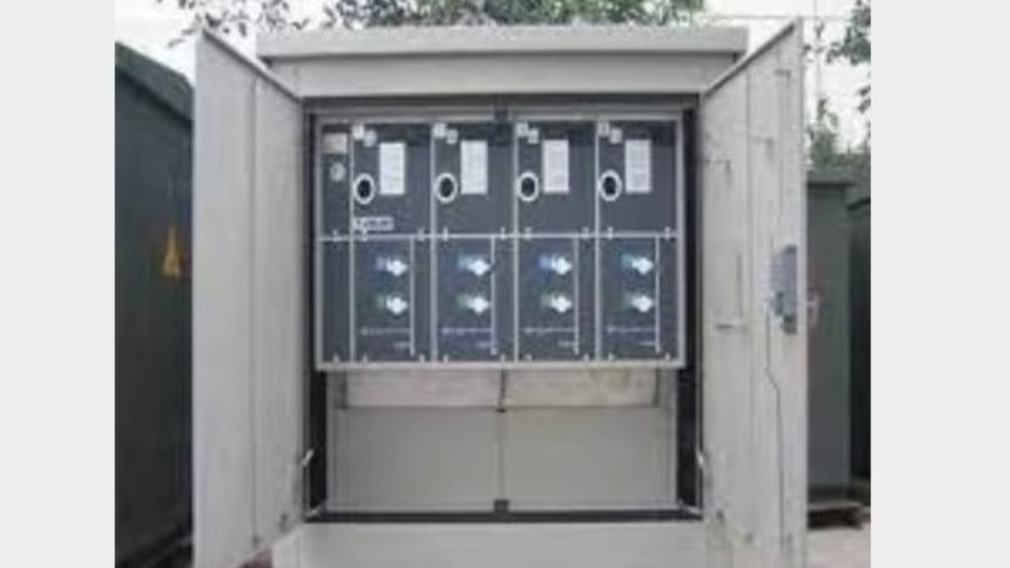
Compact distribution equipment places particular importance on cable interfaces that fit the equipment correctly while remaining practical to install and maintain.
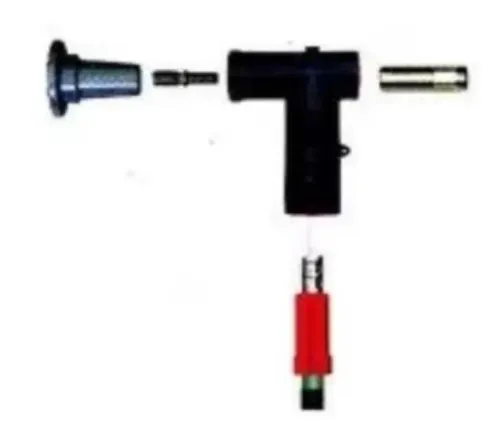
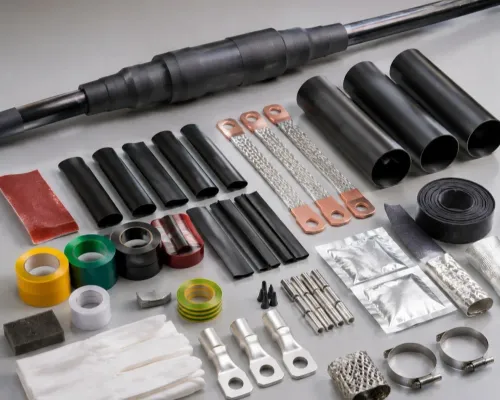
The selection of RMU termination should begin with the specific ring main unit interface and the cable construction. Voltage class is only one consideration; insulation diameter, conductor size, connection geometry and installation requirements can also determine suitability.
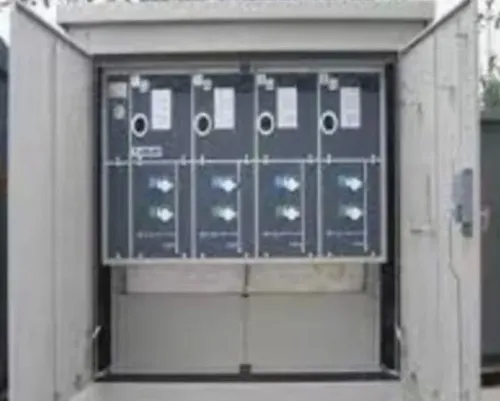
A realistic project scenario illustrates why this matters. When several medium-voltage cables enter compact equipment, installers need enough working space to prepare and connect each cable according to the specified procedure. A technically suitable termination can become difficult to use if the physical arrangement has not been considered during project planning.
Early coordination between engineering, procurement and installation teams can reduce this risk. Equipment drawings and cable data should be reviewed before materials are ordered so that dimensional or interface questions are resolved in advance.
Maintenance should also form part of the selection discussion. The completed connection needs to suit the intended inspection and servicing arrangements of the equipment rather than being judged only on initial installation.
For projects involving compact distribution equipment in New Delhi, teams can discuss cable construction, equipment interfaces and installation constraints with Pristine Engineering Services PvtLtd before approving the connection arrangement.