

Cable joint procurement becomes more predictable when engineering requirements are established before purchasing decisions are made.
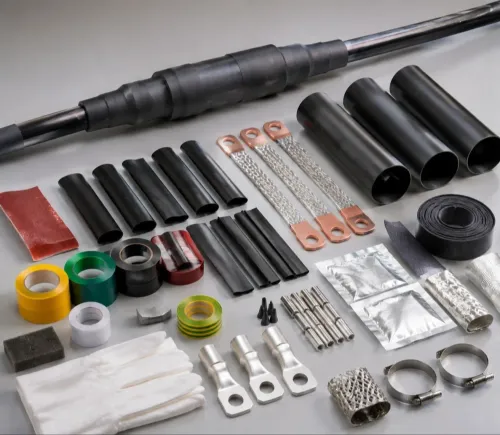
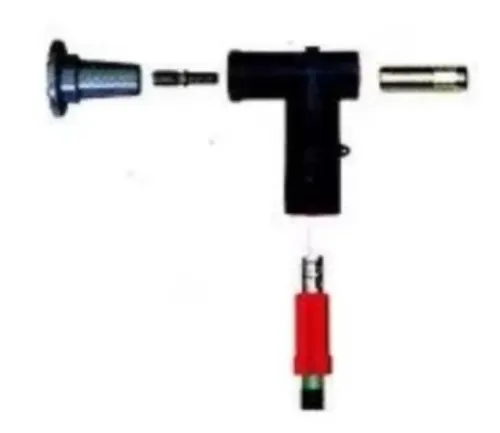
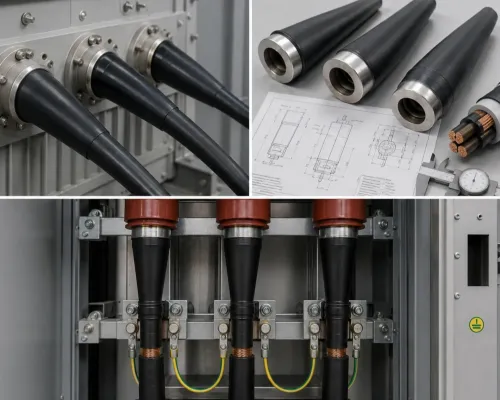
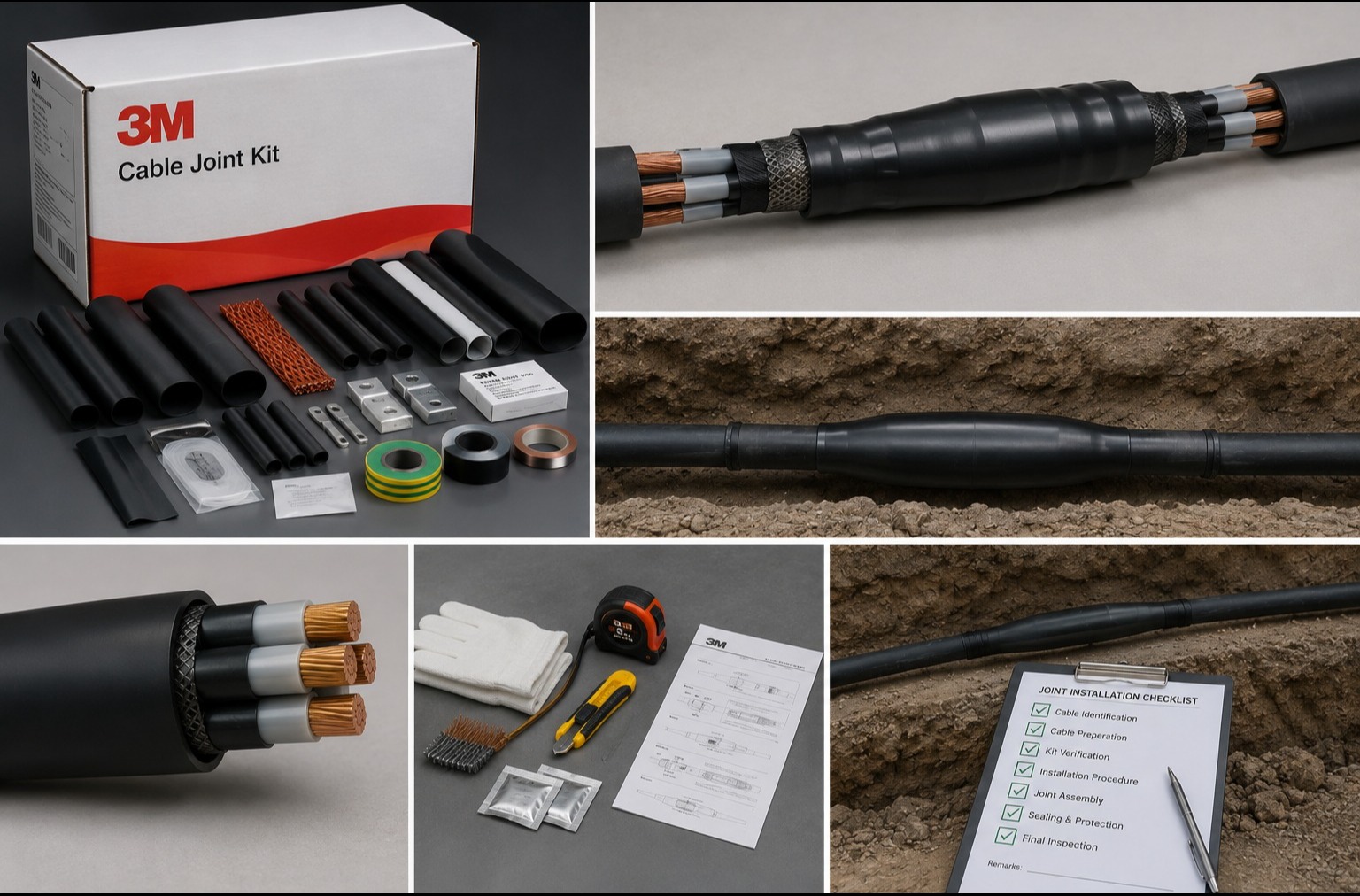
A 3M Cable Joint Kit should be evaluated against the actual cable rather than selected only from a general voltage category. Conductor size, insulation dimensions, cable construction and intended jointing application are important technical references.
The procurement process should begin by recording the cable specification and required joint configuration. Once technically compatible options have been identified, buyers can compare installation requirements, documentation, availability and overall project suitability.
This approach is particularly useful when purchasing teams and installation contractors are separate. A clearly defined technical requirement gives both parties a common reference and reduces the possibility of ordering an unsuitable configuration.
Incoming material verification can provide another useful control. Product identification and supplied configuration should be checked against the approved requirement before installation begins.
Long-term value should also be considered. A jointing solution that can be installed consistently according to specified procedures may be preferable to an option that creates uncertainty or requires additional site intervention.
The key procurement lesson is simple: establish compatibility first and compare commercial factors second. This keeps price discussions from overshadowing the technical requirements of the cable system.
For cable jointing procurement in Hyderabad, engineering and purchasing teams can share cable data and application requirements with Pristine Engineering Services PvtLtd before placing an order.