

Cable jointing decisions should balance technical compatibility, installation requirements and lifecycle value instead of focusing only on initial product cost.
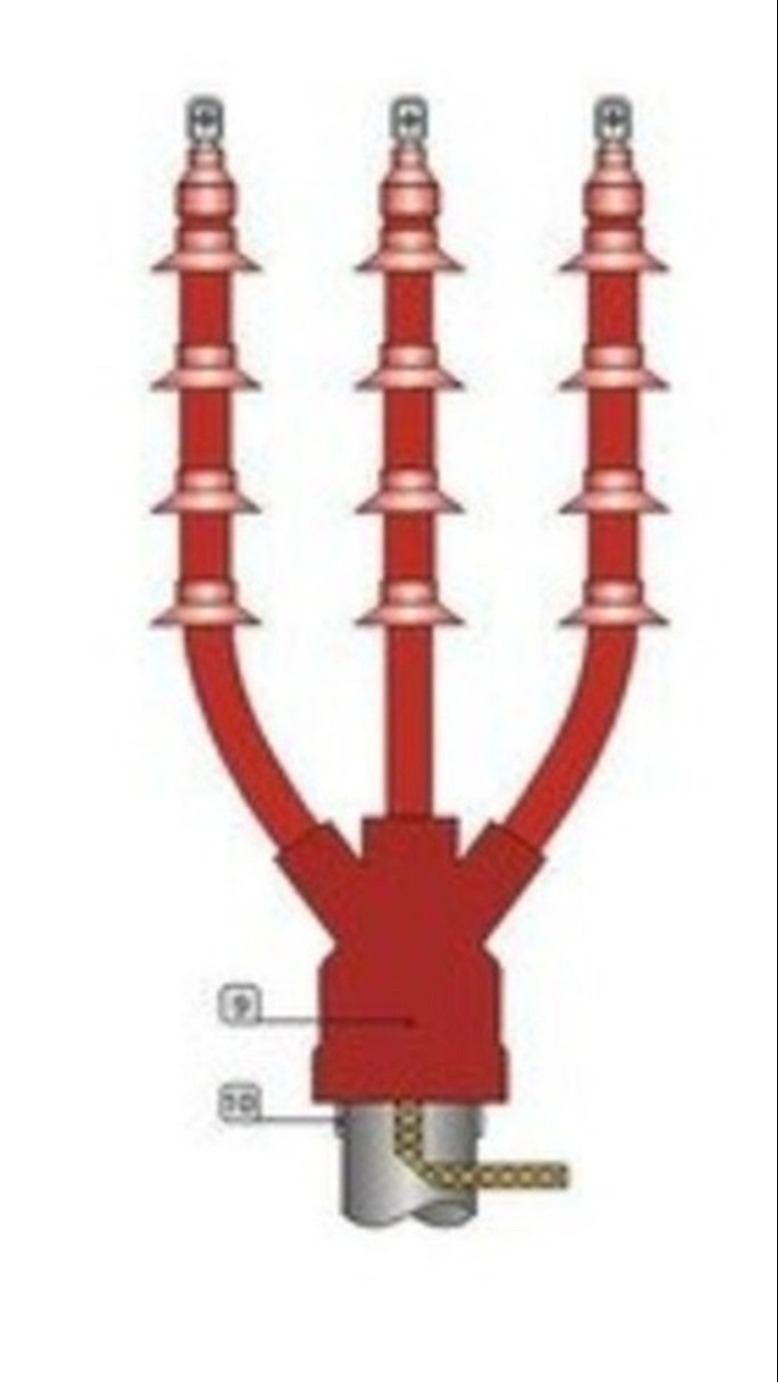
When evaluating Heat Shrink Joint Kits, the first step is to establish the cable construction. Conductor dimensions, insulation diameter, voltage class and cable configuration can determine whether a particular jointing system is appropriate.
Commercial comparison becomes more meaningful after technically suitable options have been identified. A lower purchase price may not represent better project value if the configuration creates installation uncertainty or requires additional intervention.
Installation conditions should also be assessed. Available workspace, cable preparation requirements and environmental conditions can influence how practical a jointing solution is for the project.
Correct preparation and assembly remain important to achieving the intended performance of the completed joint. Technical instructions should therefore be treated as part of the installation requirement rather than as optional supporting information.
For procurement teams, a balanced evaluation can consider technical suitability, installation practicality, documentation, availability and expected maintenance needs.
This approach helps buyers select a solution that fits the actual cable system rather than simply choosing the lowest-cost option.
For cable jointing requirements in Bangalore, procurement teams can share cable specifications and application conditions with Pristine Engineering Services PvtLtd when evaluating suitable jointing options.