

Cable termination technologies should be compared according to equipment geometry, cable characteristics and installation requirements rather than broad product categories alone.
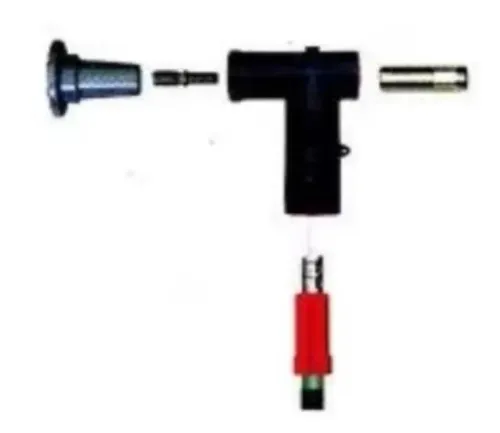
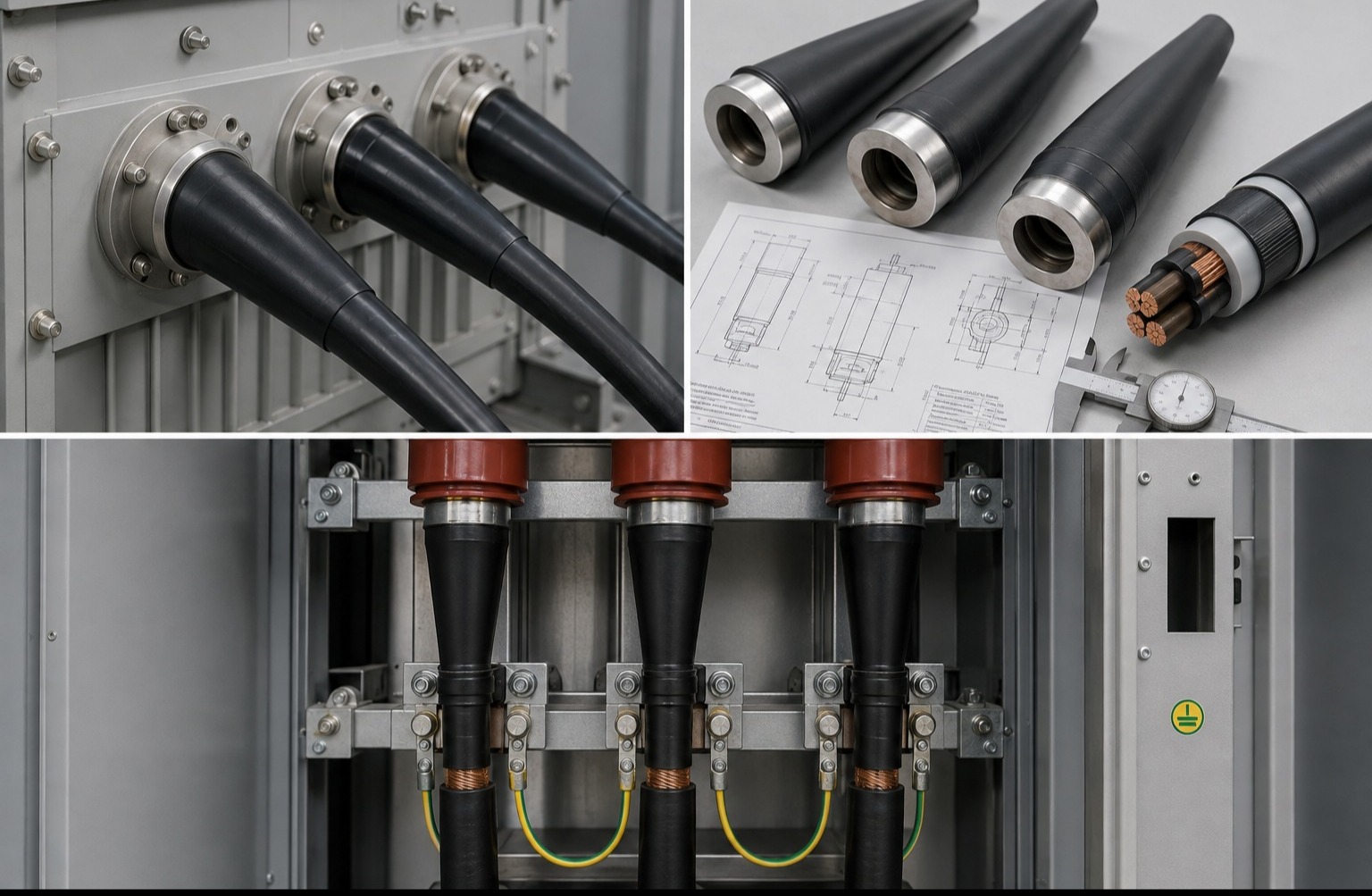
Outer Cone Terminations are based on a defined external conical interface, making equipment compatibility one of the primary selection factors.
The cable must also be evaluated carefully. Insulation diameter, conductor size, cable construction and voltage class should correspond with the applicable technical requirements. Similar electrical ratings do not automatically mean that two termination configurations are interchangeable.
Installation planning provides another useful decision point. Cable preparation requires controlled dimensions and adequate access, so the equipment layout and working environment should be considered before procurement.
For project engineers, a practical sequence is to establish the equipment interface first, verify cable characteristics second and then compare technically compatible termination options.
This method reduces the possibility of selecting a component simply because it belongs to the correct product category. It also provides better documentation for future maintenance or replacement work.
For medium-voltage cable interface requirements in Bangalore, engineering teams can review equipment geometry, cable specifications and installation conditions with Pristine Engineering Services PvtLtd before selecting the appropriate termination.