

Compact medium-voltage distribution requires coordinated decisions around switching equipment, cable routing, connection interfaces and future access for maintenance.
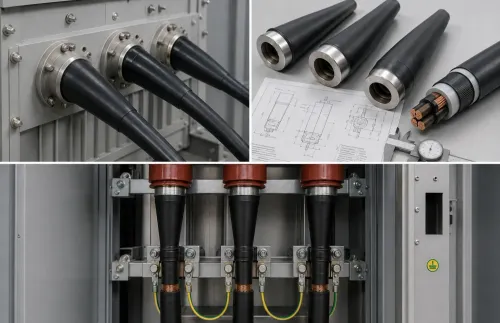
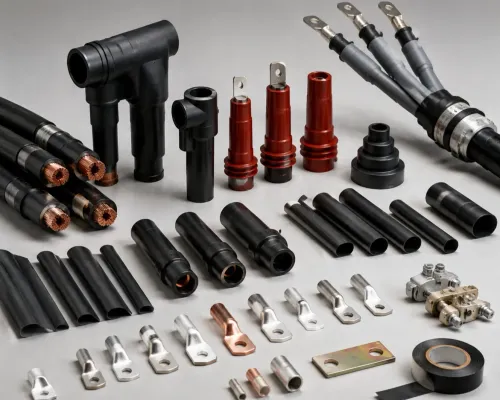
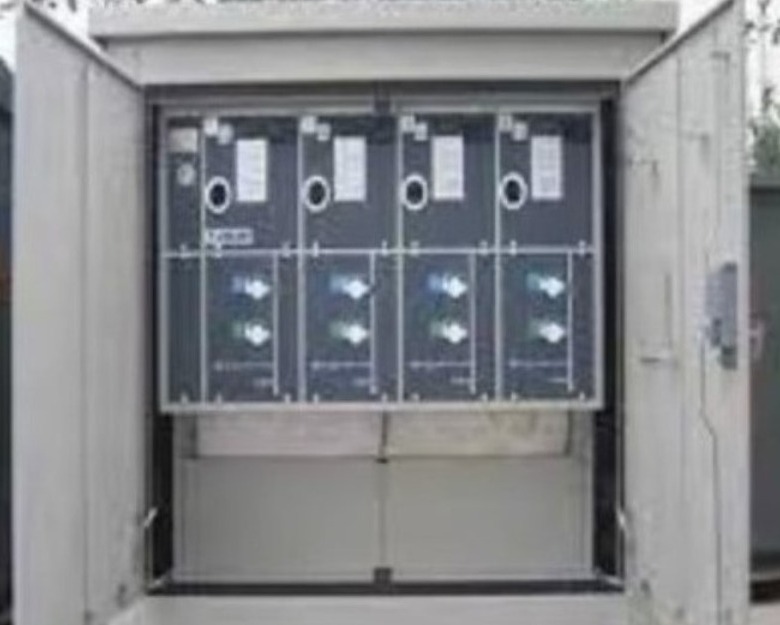
A Ring Main Unit should therefore be evaluated as part of the complete distribution arrangement rather than solely as a switching product. The equipment interface must work with the selected cable and associated termination system.
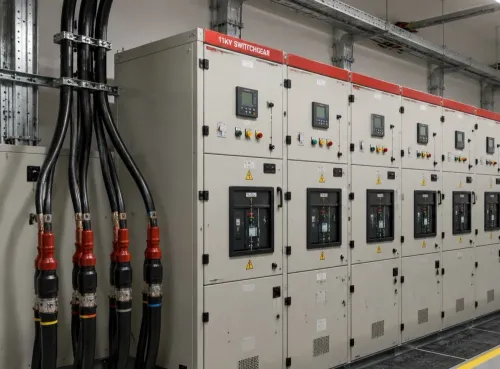
Space planning is particularly relevant to compact installations. Incoming and outgoing cable routes can influence connection geometry, working space and the practicality of installation. These factors are best considered during design rather than after equipment has reached the site.
Maintenance should also influence the layout. Compact equipment can use available space efficiently, but technicians still need appropriate access for inspection, servicing and future cable-related work.
For procurement teams, equipment drawings and cable data provide useful technical references. Reviewing these documents early can identify interface requirements and help ensure that associated connection components are ordered in a compatible configuration.
A well-planned system also benefits future maintenance because accurate records of equipment interfaces and cable arrangements make replacement or modification decisions easier.
The broader principle is simple: compact distribution works best when equipment, cable connections and installation access are planned together.
For medium-voltage distribution projects in Pune, project teams can review equipment interfaces, cable routing and maintenance considerations with Pristine Engineering Services PvtLtd before finalizing the system arrangement.